

What is Metabolic Health?
Understanding metabolic health changed everything about how I approach energy, training, and daily performance.
Metabolic health refers to how efficiently your body processes energy, maintains blood sugar levels, and regulates hormones. It is the foundation of energy, mood, body composition, and overall vitality.
When your metabolism functions optimally, you have steady energy throughout the day, stable moods, healthy body composition, and better recovery from exercise and stress. Poor metabolic health contributes to fatigue, weight gain, mood swings, and increased disease risk.
The key factors that influence metabolic health include hormonal balance, sleep quality, nutrition, exercise, and stress management. Each of these areas is explored in detail below.
Hormones and Your Health
Hormones are chemical messengers that regulate nearly every process in your body. They control metabolism, energy production, muscle growth, fat storage, mood, sleep, and recovery. Understanding how these hormones work — and what affects them — is crucial for optimizing your health.

Key Hormones for Men
- Testosterone: Muscle growth, energy, libido, bone density
- Cortisol: Stress response, blood sugar regulation
- Growth Hormone: Recovery, muscle repair, fat metabolism
- Thyroid (T3/T4): Metabolic rate, energy production
- Insulin: Blood sugar control, fat storage
Key factors: Sleep quality, resistance training, stress management, adequate protein and healthy fats, limiting alcohol and processed foods.
Key Hormones for Women
- Estrogen: Bone health, mood, energy, metabolism
- Progesterone: Sleep quality, mood stability, metabolism
- Cortisol: Stress response, blood sugar regulation
- Thyroid (T3/T4): Metabolic rate, energy production
- Insulin: Blood sugar control, PCOS management
Key factors: Sleep quality, cycle-aware training, stress management, balanced nutrition, and understanding your menstrual cycle patterns.
Measuring Your Metabolic Health
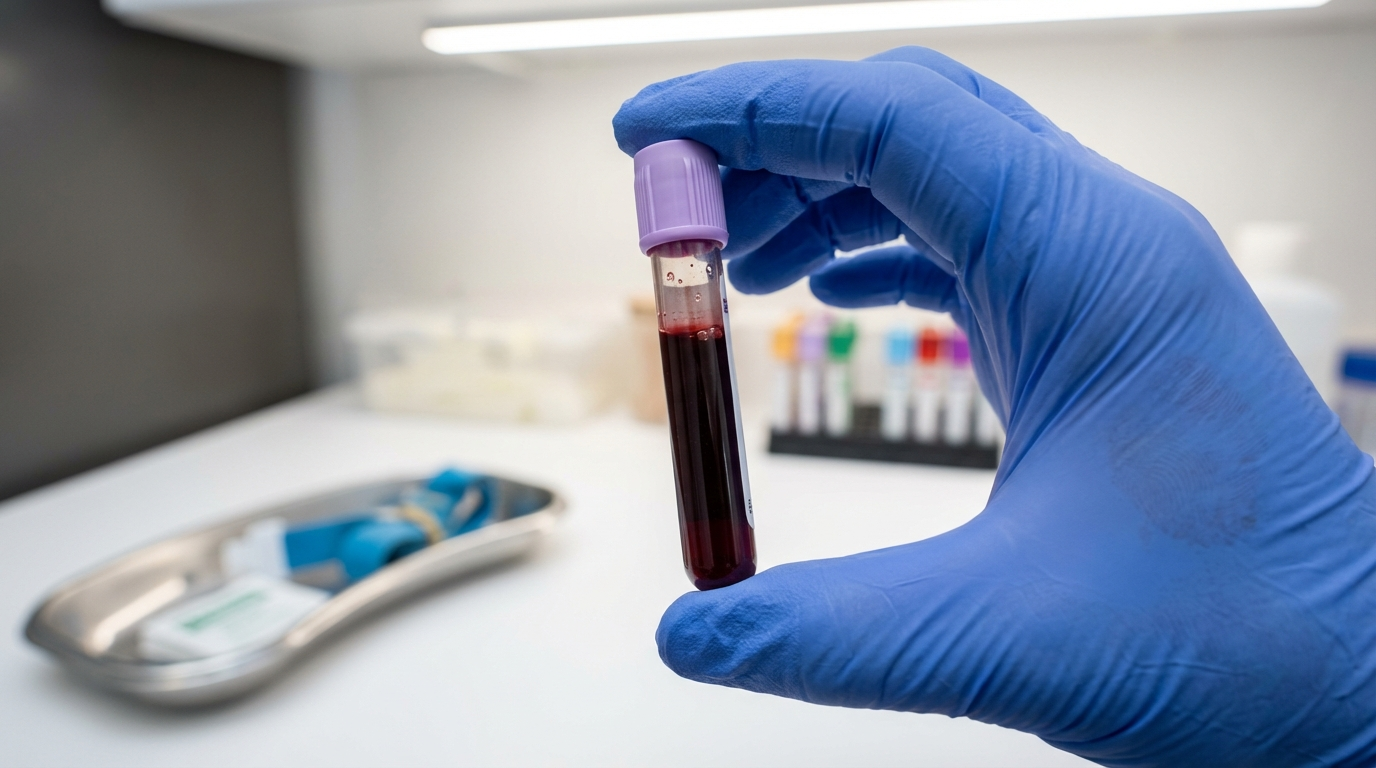
Blood work provides objective insights into your metabolic health. Key biomarkers to track include:
Essential Markers
- Fasting glucose and insulin
- HbA1c (3-month blood sugar average)
- Lipid panel (cholesterol, triglycerides)
- Inflammatory markers (CRP, ESR)
Hormone-Specific Markers
- Men: Total/free testosterone, SHBG
- Women: Estradiol, progesterone, LH, FSH
- Both: Thyroid panel (TSH, T3, T4), cortisol
Factors That Affect Metabolic Health

Sleep
Quality sleep is fundamental to metabolic health. Poor sleep disrupts insulin sensitivity, increases cortisol, and impairs growth hormone production. Aim for 7-9 hours of consistent, uninterrupted sleep.
Key impacts: Blood sugar regulation, hormone production, appetite control, recovery and repair processes.
Nutrition
What you eat directly influences hormone production, blood sugar stability, and metabolic efficiency. Focus on whole foods, adequate protein, and balanced macronutrients.
Key impacts: Insulin sensitivity, hormone synthesis, inflammation levels, gut health, and nutrient availability for metabolic processes.

Exercise
Regular physical activity improves insulin sensitivity, supports hormone balance, and enhances metabolic flexibility. Both resistance training and cardiovascular exercise play important roles.
Key impacts: Muscle mass preservation, glucose uptake, hormone production, stress resilience, and metabolic rate.
Managing Stress
Chronic stress elevates cortisol, disrupts blood sugar regulation, and impairs metabolic function. Learning to manage stress is crucial for long-term metabolic health.
Key impacts: Cortisol regulation, blood sugar stability, sleep quality, inflammation levels, and overall hormone balance.
Take the First Step
Metabolic health is not a single number or a quick fix — it is a system of interconnected factors that you can measure, understand, and improve over time. Whether you are just starting to pay attention to your bloodwork or looking to fine-tune your routine, the key is to start with data.