

Why Recovery Matters
Recovery is where adaptation happens. Training creates the stimulus, but growth — stronger muscles, denser bones, improved endurance — occurs during rest. Without adequate recovery, your body accumulates fatigue faster than it can rebuild, leading to stalled progress, elevated injury risk, and hormonal disruption.
Proper recovery is not passive. It involves deliberate strategies across sleep, nutrition, movement, and stress management. When you prioritize recovery with the same intention you bring to training, you create the conditions for consistent, long-term progress.
Recovery Methods
Recovery is not one thing — it is a collection of strategies that work together. The methods below form the foundation of any effective recovery protocol.

Active Recovery
Low-intensity movement increases blood flow to damaged tissues without adding training stress, accelerating the clearance of metabolic waste products.
- ›Light cardio and mobility work
- ›Dynamic stretching
- ›Swimming or walking
- ›Yoga or Pilates

Passive Recovery
Complete rest allows your nervous system to downregulate and your body to direct energy toward tissue repair and hormonal restoration. Sleep loss suppresses testosterone directly — see our guide on sleep and testosterone for the mechanism and a two-week protocol to test it on yourself.
- ›Adequate sleep (7-9 hours)
- ›Massage and soft tissue work
- ›Cold and heat therapy
- ›Rest days

Nutrition for Recovery
Targeted nutrition provides the raw materials — amino acids, glycogen, and micronutrients — your body needs to rebuild stronger than before.
- ›Adequate protein (1.6-2.2g/kg)
- ›Post-workout carbohydrates
- ›Hydration and electrolytes
- ›Anti-inflammatory foods

Injury Prevention
Proactive prevention through proper preparation and progressive loading keeps you training consistently, which matters more than any single workout.
- ›Progressive overload
- ›Proper form and technique
- ›Warm-up and cool-down
- ›Listening to your body
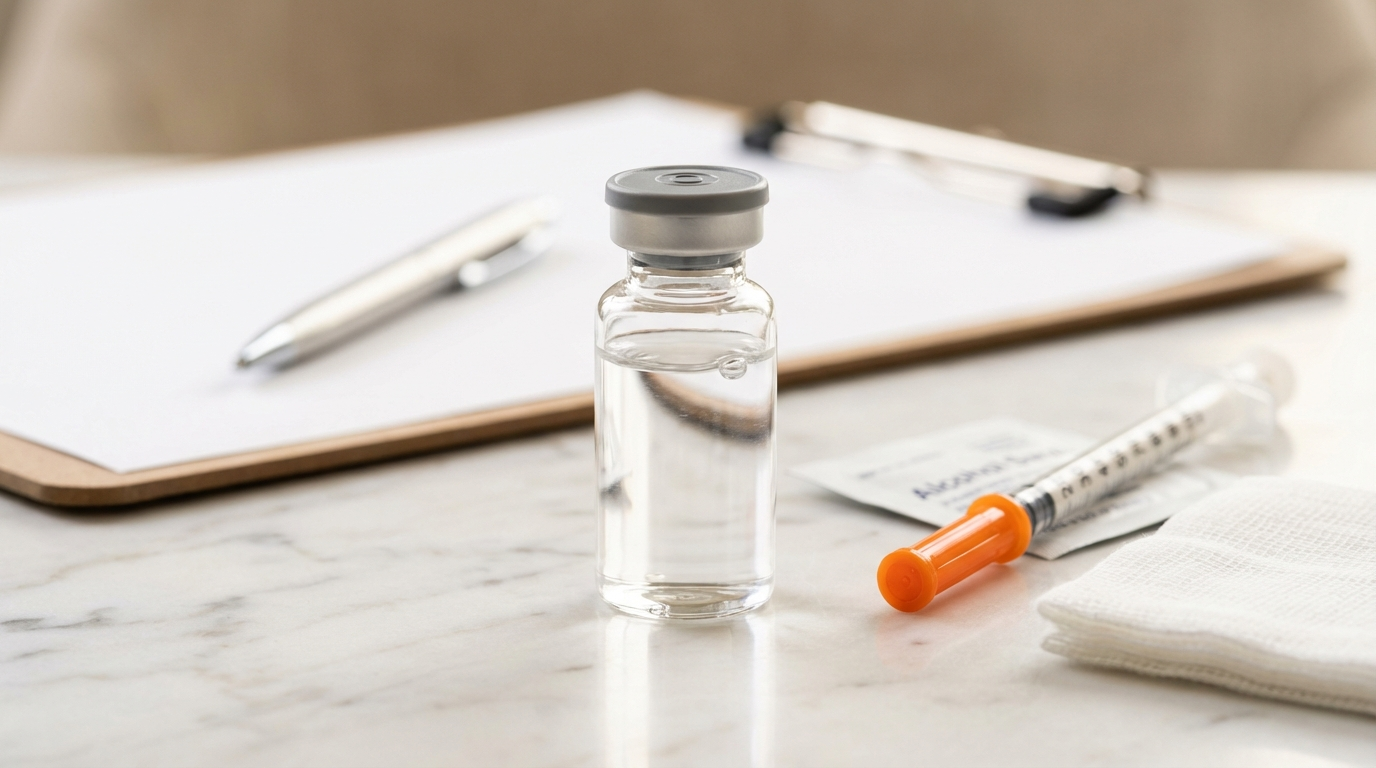
What Are Peptides?
Peptides are short chains of amino acids — typically between 2 and 50 — linked together by peptide bonds. Think of them as smaller, more targeted versions of proteins. Your body produces thousands of them naturally, and they act as signaling molecules: tiny messengers that tell specific cells what to do.
Unlike a drug that forces a response, peptides work by amplifying signals your body already uses. When you cut your finger, peptides signal cells to start repairing tissue. When you sleep, peptides trigger growth hormone release. They are not foreign chemicals — they are the language your body already speaks.
Research into therapeutic peptides has accelerated in the last decade, with over 80 peptide-based drugs approved by the FDA and hundreds more in clinical trials. The compounds discussed here are a subset being studied specifically for their roles in tissue repair, inflammation, and recovery.
Peptides at a Glance
How Peptides Support Recovery
Recovery is not a single process — it is a coordinated cascade of biological events. Different peptides interact with different parts of this cascade. Here are the three primary pathways through which peptides are being studied for recovery.
Tissue Repair
Certain peptides promote angiogenesis — the formation of new blood vessels — which delivers more oxygen and nutrients to damaged tissue. Others upregulate collagen synthesis and accelerate the migration of repair cells to injury sites.
Inflammation Control
Inflammation is necessary for healing, but chronic inflammation delays recovery. Some peptides help modulate the inflammatory response — reducing excessive inflammation without suppressing the immune system entirely.
Growth Hormone Release
Growth hormone is critical for tissue repair, muscle recovery, and sleep quality. Certain peptides stimulate the pituitary gland to release more growth hormone naturally, rather than introducing exogenous hormones.
Peptides Studied for Healing
These compounds are among the most researched for tissue repair and recovery. Each links to a full profile with mechanisms, benefits, dosage data, and published studies from our database of 49 peptides.
BPC-157
View full profile →GHK
View full profile →GHK-Cu
View full profile →Recovery Tools I Use
After years of testing different approaches, these are the tools that actually stayed in my daily routine.
Disclosure: This section contains affiliate links. As an Amazon Associate I earn from qualifying purchases. If you buy through these links, I may earn a commission at no extra cost to you. I only recommend products I personally use or have thoroughly researched.
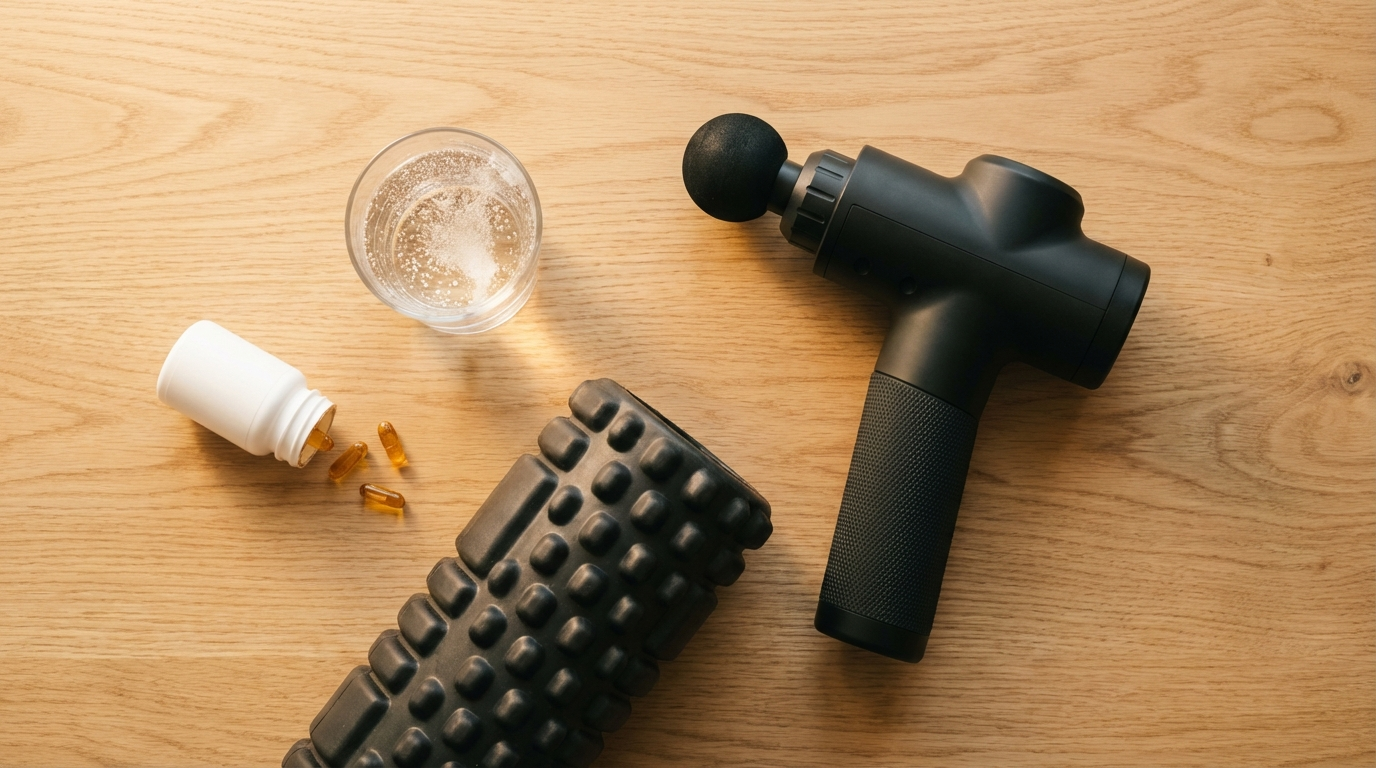
Theragun Mini
Portable percussion massager I use daily for muscle recovery and soreness.
$199
Check Price →Affiliate link — I may earn a commission
Magnesium Glycinate
Essential for sleep quality and muscle recovery. I take this every night.
$20-30
Check Price →Affiliate link — I may earn a commission
TriggerPoint GRID Foam Roller
The most trusted foam roller on the market. I use this after heavier training days to work through tight spots before they turn into nagging issues.
$20-30
Check Price →Affiliate link — I may earn a commission
KSM-66 Ashwagandha
Clinically studied root extract I use to keep cortisol in check during heavier training or stressful stretches.
$15-25
Check Price →Affiliate link — I may earn a commission
Start Your Recovery Protocol
Recovery is not an afterthought — it is the other half of your training. Whether you are managing a nagging injury, trying to improve sleep quality, or looking to add peptides to your protocol, the best approach is to start with one change and build from there.
If you are unsure where to begin, consider getting comprehensive blood work done to understand your baseline. Your recovery capacity is shaped by your hormonal profile, sleep architecture, and nutritional status — and all of these are measurable.